
Innovative Educational Initiatives Shaping Future Generations
 20 de July de 2026

Innovative Educational Initiatives: Shaping Future Generations
In recent years, the world of education has undergone substantial transformation, driven by innovative initiatives aimed at improving learning experiences and outcomes. From technology integration to community-driven projects, these initiatives are addressing diverse challenges faced by students and educators alike. One noteworthy example of impactful educational innovation can be found in educational initiatives vanuatu education programs, which are specifically designed to enhance educational accessibility and quality. In this article, we will explore various educational initiatives from around the globe, their objectives, and their impacts on communities.
The Role of Technology in Education
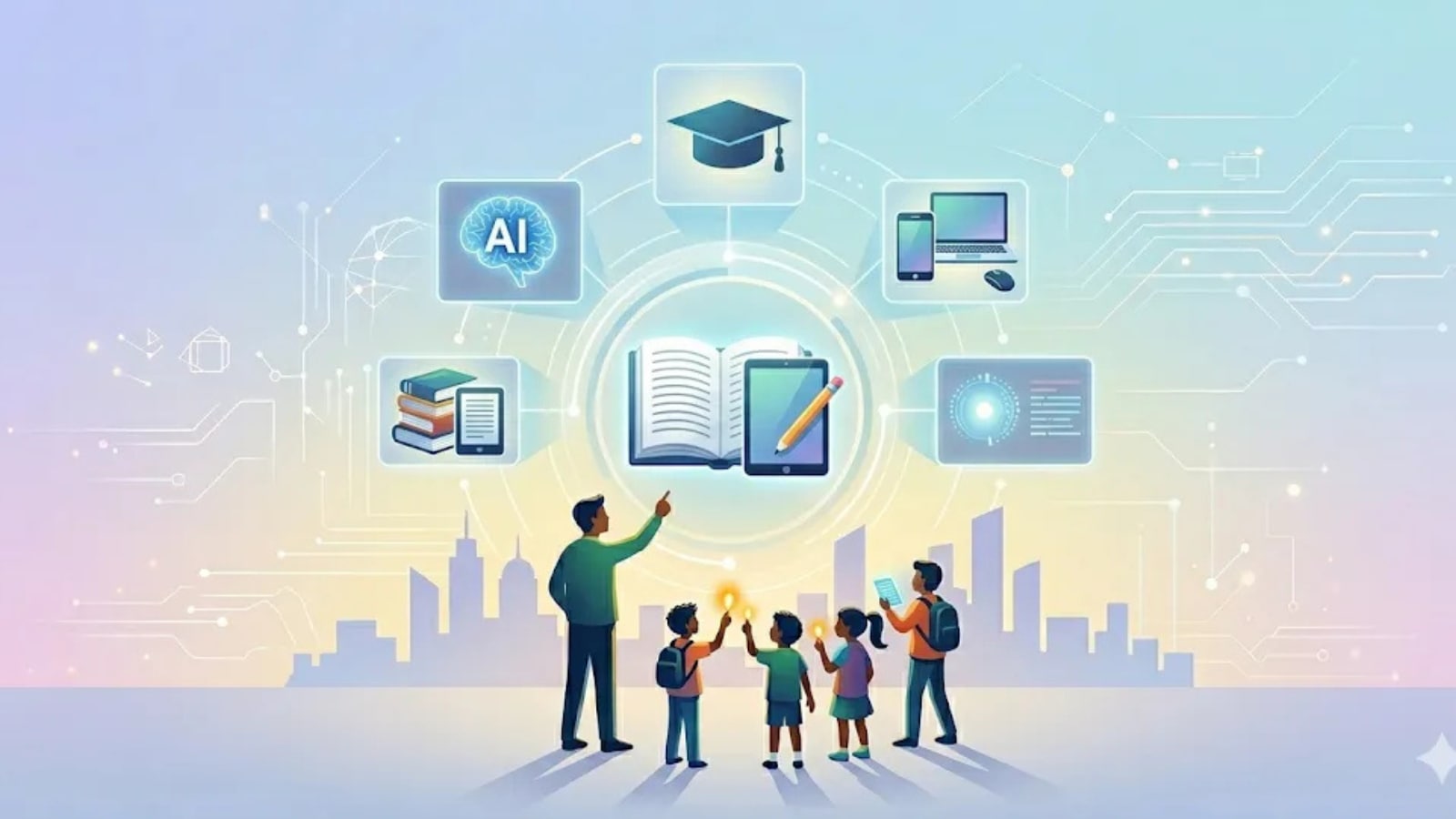
Technology has emerged as a crucial element in educational reform. Educational institutions are increasingly leveraging digital platforms to enhance learning experiences and broaden access to knowledge. For instance, the rise of massive open online courses (MOOCs) has democratized education, allowing learners from various backgrounds to access high-quality courses from renowned universities. Initiatives like Coursera and edX offer a range of subjects, from computer science to humanities, enabling learners to tailor their education to their interests and career goals.

Moreover, educational technologies such as personalized learning software and adaptive learning platforms are reshaping the classroom experience. These tools allow educators to analyze student performance in real-time, offering customized learning pathways that cater to individual strengths and weaknesses. By differentiating instruction, teachers can ensure that all students achieve their potential, regardless of their starting point.
Community-Driven Educational Initiatives
Beyond technological advancements, community engagement has proven essential in fostering effective educational initiatives. Programs that involve local communities often yield better results, as they address the specific needs and cultural contexts of students. For example, the “Teach for All” network connects passionate individuals with under-resourced communities globally, aiming to improve educational outcomes through localized efforts. By empowering local leaders and teachers, these initiatives not only enhance learning but also promote social cohesion.
Another excellent illustration is the “Pratham” initiative in India, which focuses on elementary education. By mobilizing resources and volunteers, Pratham has significantly improved literacy rates in various regions. Such community-based efforts highlight the importance of inclusivity and collaboration in education, ensuring that everyone has a stake in the learning process.
Teacher Training and Support
A critical component of successful educational initiatives lies in the training and support of teachers. Programs aimed at enhancing teacher skills often lead to improved student performance. For instance, the “Teach Like a Champion” by Doug Lemov provides teachers with actionable techniques to enhance classroom management and instructional strategies. Professional development programs focusing on culturally responsive teaching practices also contribute to creating a more inclusive learning environment.
Furthermore, peer-support networks allow educators to share best practices and learn from one another. Collaboration among teachers fosters a positive professional culture and encourages continuous improvement. Initiatives such as “The Teaching Channel” provide platforms for educators to observe peer lessons, exchange feedback, and develop their skills collectively. This emphasis on professional growth is integral to sustaining high educational standards.
Addressing Educational Inequities
Educational inequities remain a pressing challenge in many regions, affecting marginalized and underserved populations disproportionately. Initiatives aimed at closing these gaps are paramount in promoting equity in education. One example is the “Girls’ Education Program” which focuses on providing access to schooling for girls who face barriers due to socio-economic conditions, cultural norms, or geographic isolation. By addressing these systemic issues, such programs empower young women and facilitate their pursuit of further education and professional opportunities.
Similarly, the “Summer Slide” initiative targets students from low-income backgrounds who lack academic enrichment during school breaks. By providing access to summer educational programs, students can maintain their learning momentum and prevent setbacks. Such targeted initiatives highlight the importance of recognizing and responding to the unique challenges faced by different demographic groups in the education system.
The Future of Educational Initiatives
Looking ahead, it is evident that educational initiatives must continue evolving to meet the demands of a rapidly changing world. The COVID-19 pandemic has accelerated digital transformation in education, reinforcing the need for flexibility and adaptability. Hybrid learning models that combine in-person and online education are likely to persist as valuable alternatives for learners of all ages.
Moreover, fostering critical thinking, creativity, and emotional intelligence will become increasingly essential as the job market evolves. Initiatives that promote STEAM (Science, Technology, Engineering, Arts, and Mathematics) education are vital in preparing students for future career pathways while encouraging innovation and creativity.
Conclusion
Educational initiatives are pivotal in shaping the future of learning and overcoming the myriad challenges faced by students and educators. By embracing technology, engaging communities, supporting teachers, and addressing inequities, these initiatives not only enhance educational outcomes but also empower individuals and communities as a whole. As we continue to innovate and adapt, our collective efforts in the realm of education will ultimately contribute to a more informed, equitable, and prosperous society.