
Understanding International Casino Regulation and Its Impact
 27 de August de 2026

Understanding International Casino Regulation and Its Impact
The world of online gambling has grown immensely, with an array of International Casino Regulation and How It Works international casinos licensed outside Sweden catering to a global audience. As this industry expands, the regulation of casinos across different jurisdictions has become increasingly complex. This article aims to provide a comprehensive overview of international casino regulations, examining how they function, their varying standards, and their implications for players and operators alike.
The Importance of Regulation in the Casino Industry
Casino regulation serves multiple purposes, primarily aimed at protecting the interests of both players and operators. By establishing laws governing how casinos operate, regulators work to ensure fair play, safeguard player funds, and prevent criminal activities such as money laundering and fraud. Without proper regulation, the integrity of the gambling industry could be jeopardized, leading to a loss of trust from players and potential legal ramifications for operators.
Variations in International Casino Regulations
One of the most striking features of international casino regulation is the variety of legal frameworks across different jurisdictions. Each country or region may have its own regulatory body, set of laws, and standards for casino operation, which can lead to substantial differences in how casinos function. For example, the United Kingdom has a well-established regulatory system overseen by the UK Gambling Commission, which mandates strict licensing requirements and comprehensive player protection measures.
Conversely, some jurisdictions, such as Curacao and Malta, offer more lenient regulations and faster licensing processes, which can attract a diverse range of operators. These differences create a broad landscape in which operators must navigate to ensure compliance and maintain their licenses. Additionally, the rise of online casinos has prompted many countries to adapt or establish new regulations tailored specifically to digital gambling.
Key Regulatory Authorities
Various authorities oversee the regulation of international casinos, each with its scope and focus. Some of the most prominent regulatory bodies include:
- UK Gambling Commission (UKGC): Responsible for regulating all forms of gambling in the UK, ensuring that players are protected and that gambling is conducted fairly.
- Malta Gaming Authority (MGA): Known for its comprehensive licensing framework that attracts many online casinos; it focuses on sustainability and transparency.
- Antillephone: A regulatory body based in Curacao that provides licenses for online casinos, offering a more straightforward process compared to other jurisdictions.
- Gibraltar Regulatory Authority: It represents a well-respected jurisdiction for online gambling, enforcing robust player protection measures.
How Regulation Affects Players
For players, understanding the regulatory landscape is crucial for ensuring safety and accountability. Players should always look for casinos that are licensed by reputable authorities, as this often translates to better game fairness, prompt payouts, and responsible gambling practices. Regulatory bodies typically require casinos to undergo regular audits, which helps maintain an environment of trust and security.
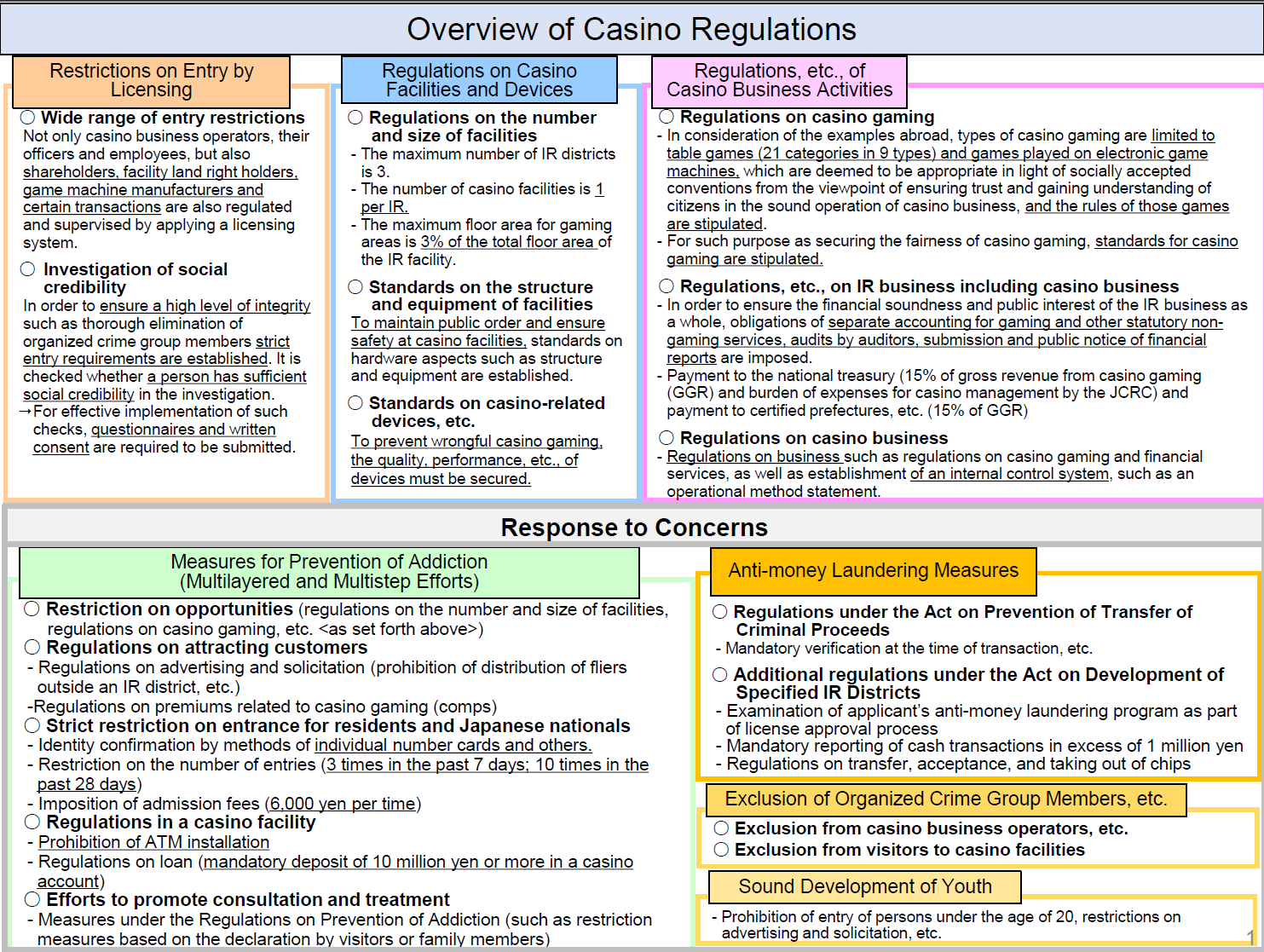
Moreover, regulations may also dictate the kinds of games available to players, responsible gambling practices, and promotional offers. For example, in the UK, casinos are required to implement features that promote responsible gambling, such as setting deposit limits, self-exclusion options, and providing resources for problem gambling. These measures aim to protect players from the potential harms of gambling and encourage a safer gaming environment.
The Role of Licensing
The licensing process itself is a critical component of casino regulation. Obtaining a license is often a rigorous process that requires operators to demonstrate their financial stability, operational integrity, and commitment to player protection. In many jurisdictions, the application process includes background checks, audits, and stringent assessments of the casino’s technology and game fairness mechanisms.
Not all licenses are created equal, and some players may prefer casinos that hold licenses in jurisdictions known for their strict regulatory standards. This preference can lead players to choose operators based in the UK or Malta over those licensed in jurisdictions with less oversight, such as Curacao. Ultimately, the reputation of a casino is often closely tied to the credibility of its licensing authority.
Emerging Trends in Casino Regulation
As the online gambling landscape evolves, so do the regulations governing it. Several emerging trends are shaping the future of international casino regulation:
- Increased Focus on Responsible Gambling: Regulatory bodies are placing more emphasis on responsible gambling measures, with a push for casinos to provide tools and resources to help players gamble safely.
- Cryptocurrency Regulation: The rise of cryptocurrencies has led some regulatory bodies to explore how to regulate cryptocurrencies used in online gambling, as they can impact transaction transparency and security.
- Data Protection and Privacy: Data protection regulations, such as the General Data Protection Regulation (GDPR) in Europe, are influencing how casinos handle player information, requiring stringent security measures to protect personal data.
- Cross-Border Regulation: The increasing nature of online gambling has prompted discussions around cross-border regulation, where countries collaborate to ensure fair practices and protect players regardless of where the casino is based.
Challenges in Regulation
While regulatory frameworks play a vital role in the casino industry, they also come with challenges. One of the main issues is the differing regulatory standards across jurisdictions, which can create confusion for operators trying to comply with multiple sets of laws. Additionally, the rapid pace of technological advances poses a challenge for regulators to keep up, as new forms of gambling and payment methods continue to emerge.
Moreover, some regions may struggle with enforcement, leading to concerns about unlicensed operators entering the market and exploiting players. This highlights the need for ongoing international cooperation and dialogue to establish best practices and ensure that the interests of players are upheld on a global scale.
Conclusion
In summary, international casino regulation is a multi-faceted and dynamic field. Understanding the regulatory landscape is essential for players seeking safe and fair gambling experiences, as well as for operators striving to maintain compliance and build a reputable business. As the industry evolves, ongoing dialogue and cooperation between jurisdictions wil

l be crucial in addressing challenges and ensuring that players are protected while supporting the growth and integrity of the global gambling industry.